
What Is Data Engineering? A Complete Guide for Business Leaders
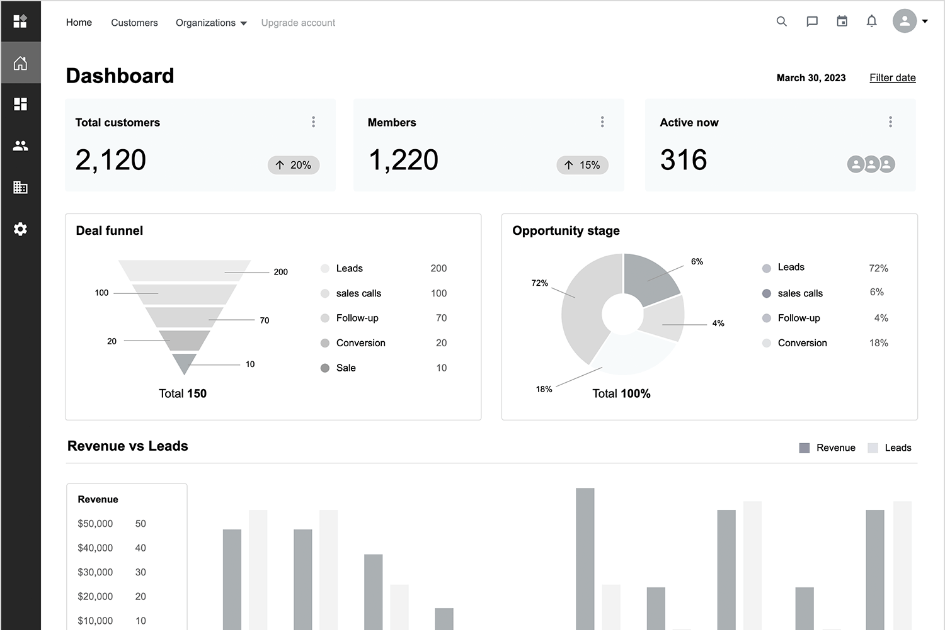
Data engineering is the backbone of every data-driven organization. While data scientists get the headlines, it’s data engineers who build the infrastructure that makes analytics, machine learning, and business intelligence possible.
Data Engineering in Simple Terms
Think of data engineering as the plumbing of your data ecosystem. Just as a building needs reliable plumbing to deliver clean water where it’s needed, your organization needs reliable data pipelines to deliver clean, structured data to the teams who need it.
Data engineers design, build, and maintain the systems that collect raw data from dozens of sources — your CRM, website analytics, payment systems, IoT sensors, third-party APIs — and transform it into formats that analysts and data scientists can actually use.
Why It Matters for Your Business
Without solid data engineering, your organization faces a cascade of problems. Dashboards show contradictory numbers because different teams pull from different sources. Data scientists spend 80% of their time cleaning data instead of building models. Critical business decisions get delayed because nobody trusts the numbers.
According to industry research, poor data quality costs organizations an average of $12.9 million per year. That’s not just a technical problem — it’s a competitive disadvantage.
The Modern Data Stack
Today’s data engineering relies on a modern data stack that typically includes cloud data warehouses like Snowflake or BigQuery, orchestration tools like Apache Airflow, transformation frameworks like dbt, and streaming platforms like Apache Kafka for real-time data.
The key shift in recent years has been toward cloud-native, modular architectures that can scale on demand and adapt as your business grows. The days of monolithic, on-premise data warehouses are numbered.
When to Invest in Data Engineering
If your team spends more time finding and cleaning data than analyzing it, if your reports take days to generate, or if different departments show different numbers for the same metric — it’s time to invest in proper data engineering.