
Building a Self-Service Analytics Platform Your Team Will Actually Use
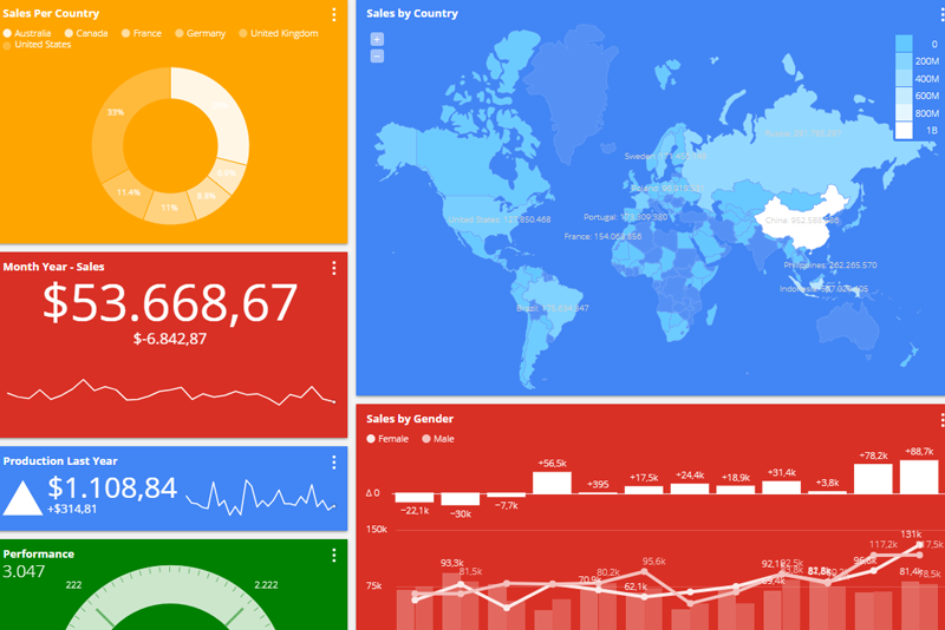
Most self-service analytics initiatives fail — not because the tools are bad, but because the underlying data isn’t trustworthy or accessible. Here’s how to build one that sticks.
Start With the Data Layer
Before choosing a BI tool, invest in a clean, well-modeled semantic layer. Define metrics consistently — what does “active user” mean? What’s included in “revenue”? If these definitions live in people’s heads instead of code, you’ll get conflicting dashboards.
Choose the Right BI Tool
Looker excels at governed, metrics-first analytics. Tableau is best for complex visual exploration. Power BI wins for Microsoft-centric organizations. Metabase is perfect for startups that want simplicity. Match the tool to your team’s technical sophistication.
Build Trust Through Data Quality
Add freshness indicators to dashboards. Show last-updated timestamps. Implement data quality alerts that proactively notify stakeholders when something looks wrong. Trust is built through transparency.
A well-built self-service platform reduces the load on your data team by 60-70%, because business users can answer their own questions without filing tickets.