Building ML-Ready Data Pipelines: What Data Engineers Need to Know
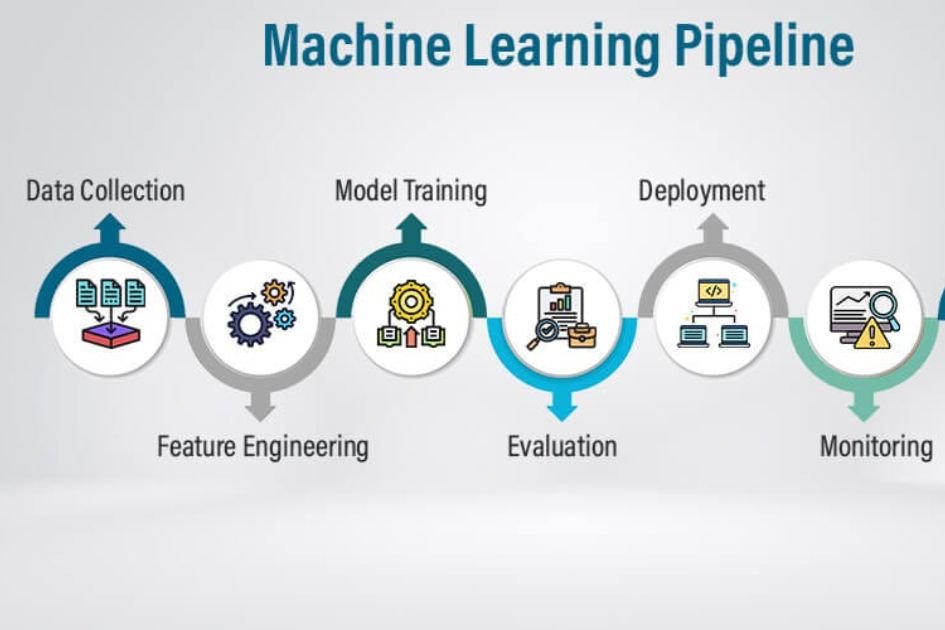
Machine learning models are only as good as the data they’re trained on. If your data pipelines weren’t designed with ML in mind, your data science team is fighting an uphill battle.
Feature Stores
A feature store is a centralized repository for ML features — the processed data values that models use for training and inference. Tools like Feast and Tecton let data engineers serve consistent features across training and production environments.
Data Versioning
When a model’s predictions start degrading, you need to understand whether the model changed or the data changed. Data versioning tools like DVC and lakeFS let you snapshot datasets at any point in time and reproduce training runs exactly.
Schema Evolution
ML pipelines are especially sensitive to schema changes. A new column added upstream is harmless to a dashboard but can break a model training job. Implement schema validation checks at every pipeline boundary.
Freshness Requirements
Some ML models need real-time features (fraud detection), while others are fine with daily batches (churn prediction). Design your pipelines to support both patterns without duplicating infrastructure.
The best ML teams don’t just have great data scientists — they have great data infrastructure underneath. That’s where data engineering makes or breaks your AI ambitions.